






Hydrogels
Water-rich polymeric materials for biomedical and advanced materials research.
Associate Professor of Chemistry, BUET
Principal Investigator
CKR Research Group
Advancing electrochemistry and functional materials for sustainable technologies. Developing next-generation energy-storage materials, electrocatalysts, corrosion inhibitors, and advanced polymeric hydrogels for energy, biomedical, and engineering applications.
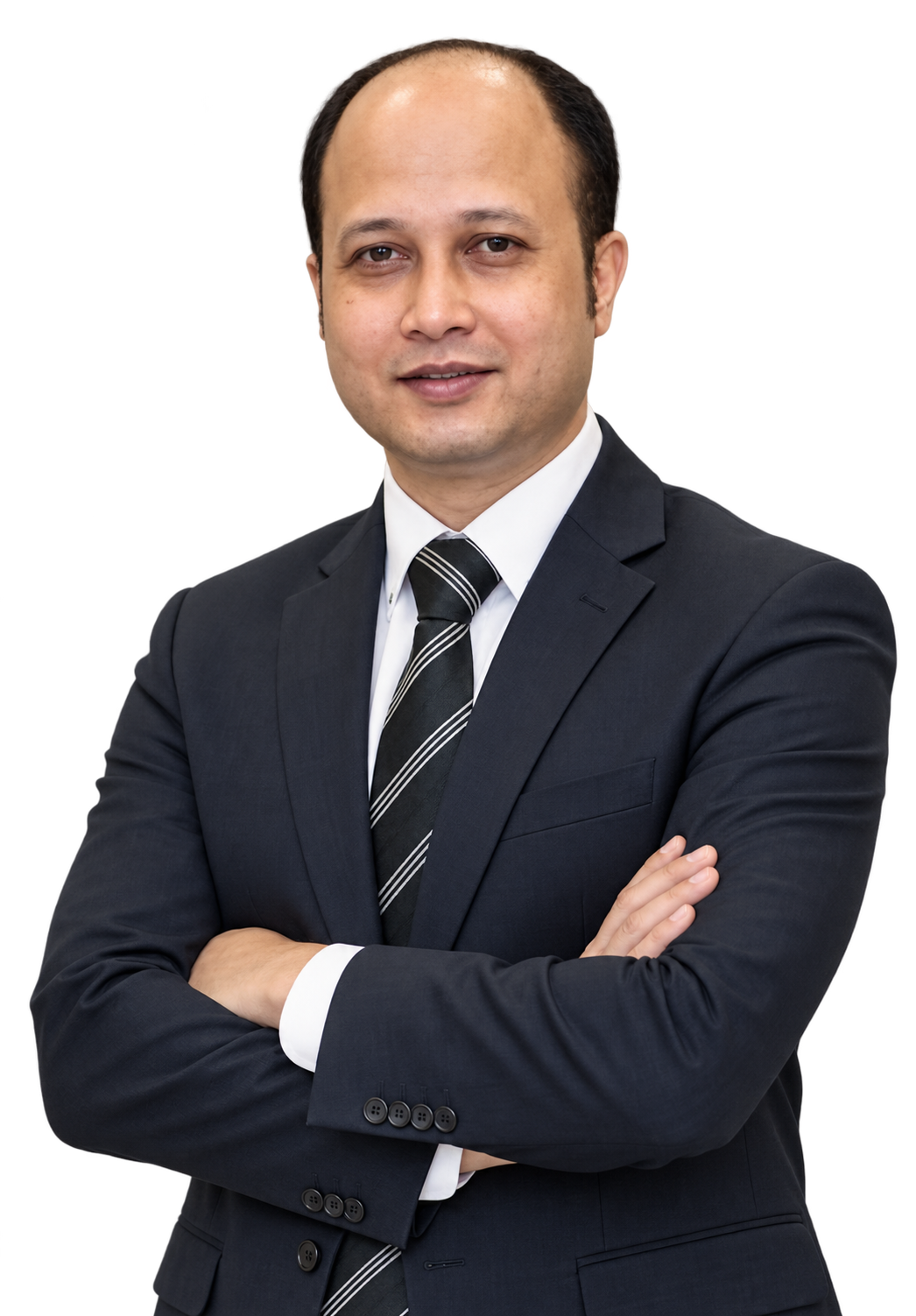
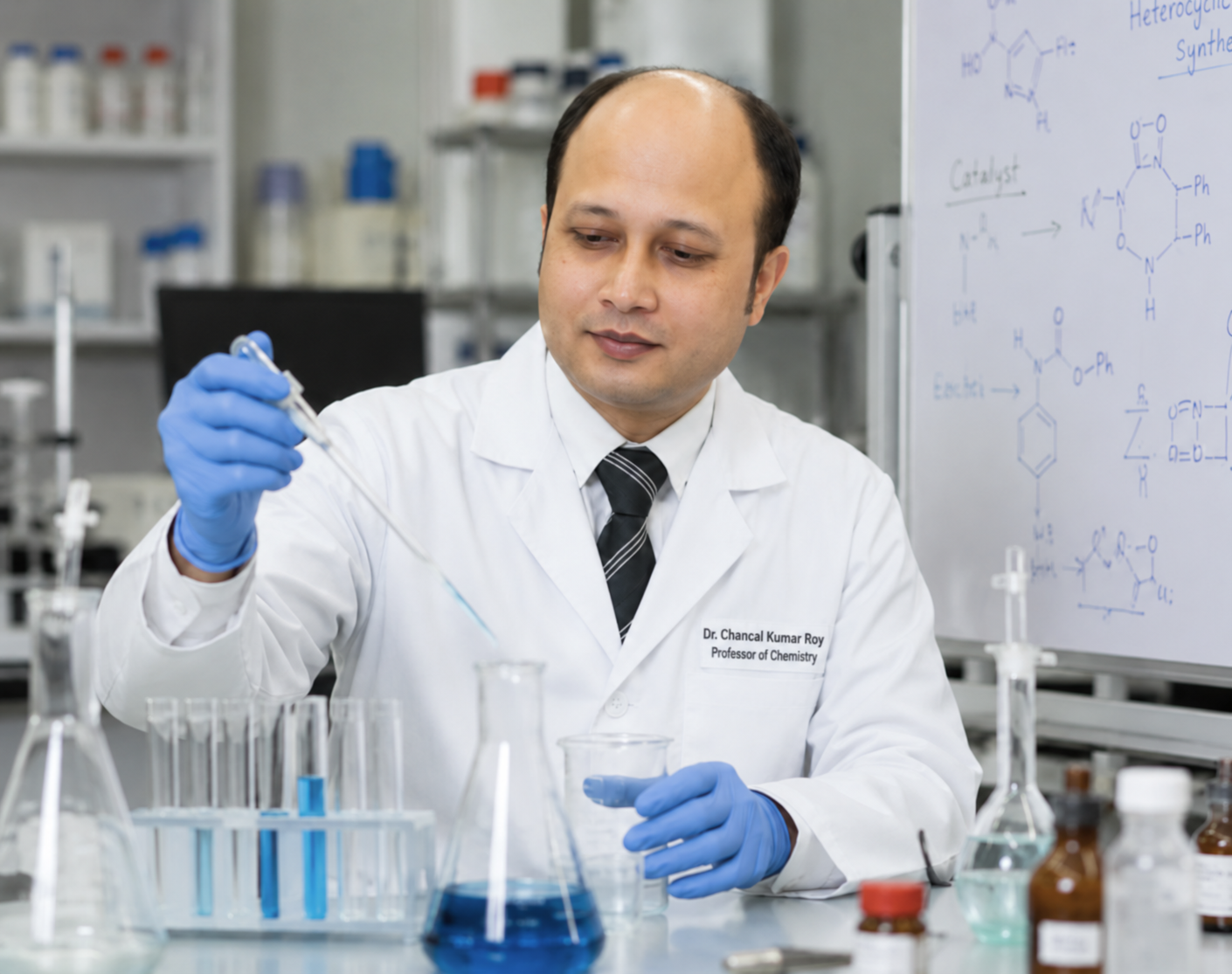
Dr. Chanchal Kumar Roy is currently working as an Associate Professor in the Department of Chemistry at Bangladesh University of Engineering and Technology (BUET), Bangladesh. He received his Ph.D. in Life Science from Hokkaido University, Japan, in 2016, specializing in polymer and materials chemistry.
His research focuses on electrochemistry, advanced energy-storage technologies, functional nanomaterials, corrosion science, and polymeric materials for advanced applications. His research interests include developing high-performance electrode materials for aqueous zinc-ion batteries, sodium-ion batteries, lithium-ion batteries, and supercapacitors; designing efficient electrocatalysts and corrosion inhibitors; and engineering novel crosslinking systems for functional hydrogels with exceptional mechanical toughness, self-healing capabilities, and adhesive properties for biomedical and other advanced applications.
As the leader of the CKR Research Group at BUET, Dr. Roy combines fundamental scientific insights with innovative materials design and electrochemical characterization to advance sustainable technologies. He is dedicated to mentoring emerging researchers and actively welcomes motivated national and international students, interdisciplinary collaborations, and opportunities for joint research initiatives.
Hokkaido University, Japan
University of Dhaka (DU), Bangladesh
University of Dhaka (DU), Bangladesh
We research explores the bigger changes expected to affect people in the coming decades and tries to identify opportunities for a better everyday life.
Water-rich polymeric materials for biomedical and advanced materials research.

Protecting metals from corrosion through advanced chemical techniques.

Advanced materials for clean energy generation and storage.

Analyzing genetic information for disease detection and scientific research.

Studying electrochemical processes for energy, sensing, and materials innovation.

Advanced materials engineered at the nanoscale for innovative applications.
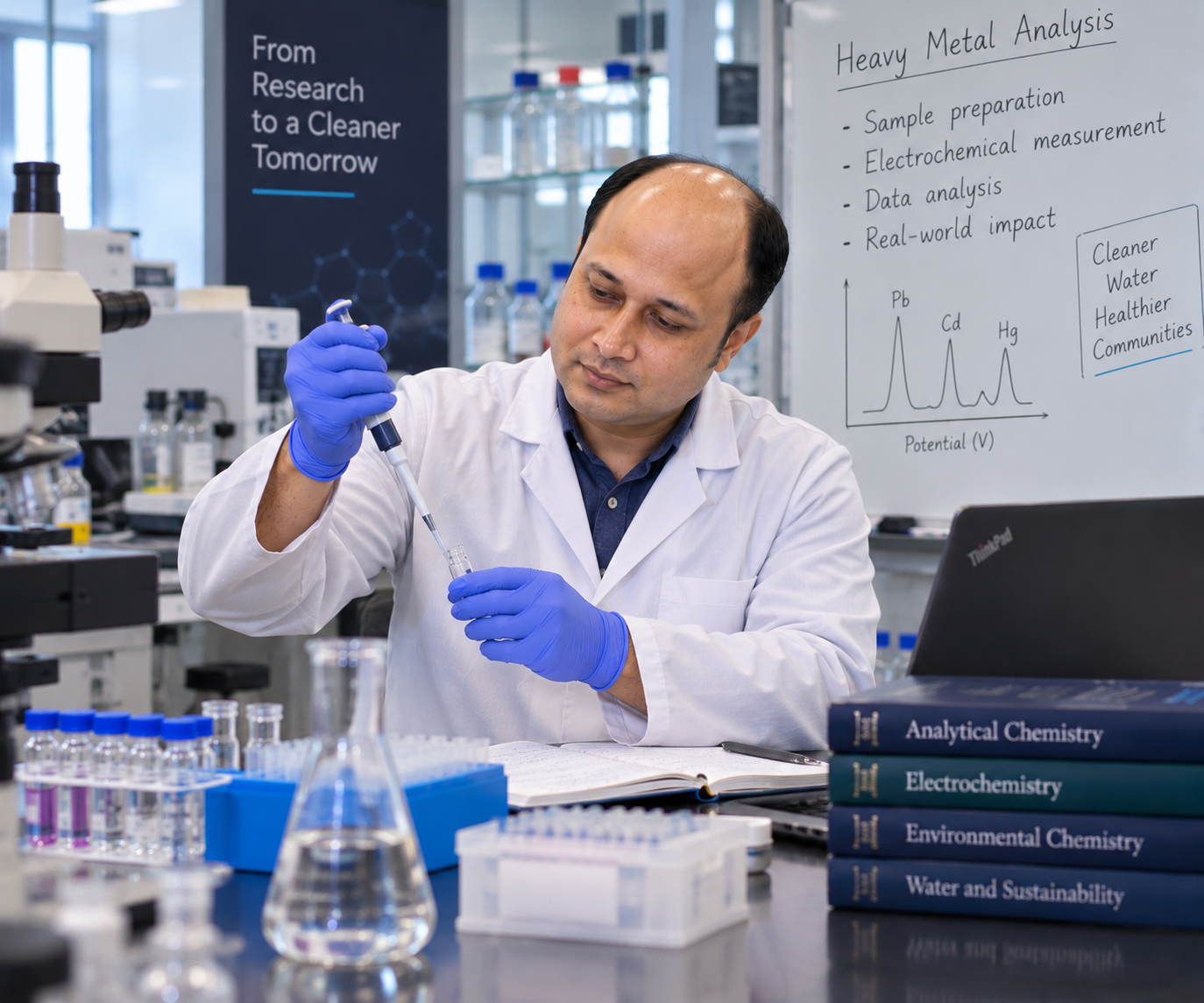
Examining how modifying the structure of water in solution changes its electroanalytical behaviour, aiming to improve the detection of heavy metal ions.
Developing water-based adhesives from polyampholyte systems, an aqueous route to adhesive formulation.
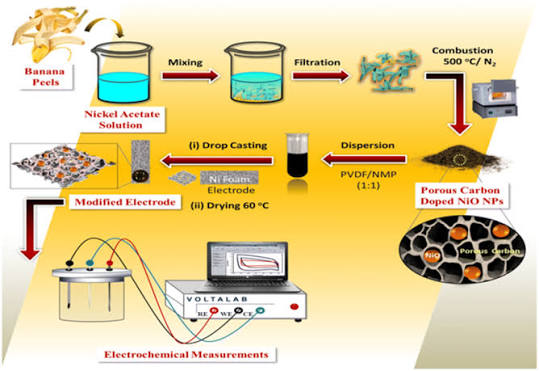
Developing supercapacitor electrode material from banana leaves, targeting high performance at low cost for practical energy storage systems.
Preparing hierarchical porous activated carbon from banana leaves, and testing how electrolyte type affects supercapacitor performance.
A selection of peer-reviewed research papers and review articles focusing on functional hydrogels, supercapacitors, biomass conversion, and electrochemistry.
The Journal of Physical Chemistry B, 130, 2420–2430 (2026)
A. Rahman, C. K. Roy, K. Hasan, A. H. Reaz, R. A. Foisal, A.-N. Chowdhury, A. B. Imran
ACS Polymers Au, 4, 463–486 (2024)
M. M. H. Rumon, A. A. Akib, S. D. Sarkar, M. A. R. Khan, M. M. Uddin, D. Nasrin, C. K. Roy · Cited by 139
Macromolecules, 49, 4245 (2016)
A. Bin Ihsan, …, C. K. Roy, …, J. P. Gong · Cited by 285
Advanced Materials, 27, 7344 (2015)
C. K. Roy et al. · Cited by 242
Our experienced researchers provide dedicated work across energy materials, hydrogels, and electrochemistry.
 Advanced
Hydrogels: polymer, preparation, mechanical properties, self-healing, adhesion, swelling Supercapacitor: porous materials, activated carbon, electrochemistry, pseudocapacitor Battery: cycle life, energy density, Li-ion battery, Na/K-ion battery
 Materials
Concept and design of organic, inorganic and biomaterials. Types of chemical bonding in solid; ionic solids, metallic solids, covalent network solids, molecular solids. Crystalline state; crystal growth techniques, physical properties of crystal, bonding in crystalline solids. Amorphous state; sol-gel processing, cementitious materials. Properties, synthesis and structure-property relationship of metal, semiconductor, softmaterials and biomaterials. Materials characterization: optical microscopy, electron microscopy, scanning electron microscopy, scanning probe microscopy, NMR in material chemistry. Chemical approach for the design of fluids.
 Polymer
s: polymerization reactions, kinetics of polymerization reactions, characterization, solubility chart for identification of polymer, specific chemical tests for various polymers, thermal behaviours of polymers; DTA and TGA studies, mechanical behaviour of polymers, visco-elastic studies, size and shape of macromolecules, internal frictions, swelling phenomenon and crosslink density. Molecular weight determination using viscometry. Osmometry. Light scattering, ultracentrifuge and gel permeation chromatography. Methods to study tacticity, stereoregularity and crystallinity, Electrical resistivity and dielectric behaviour.
Get in touch for research collaborations, academic inquiries, or student admission opportunities in energy materials and hydrogels.
Associate Professor, Department of Chemistry
Bangladesh University of Engineering and Technology (BUET)
 Chemistry
 Pathology
 Biosafety